Behind almost every illegal mining pitch lies a seductive economic lie: “Farming takes patience; gold pays today.” For communities across rural Ghana wrestling with inflation, school fees, and rising input costs, that pitch is engineered to sound practical. Yet when we examine the actual household economics of Dormaa Central over five, ten, and thirty years, illegal mining is revealed not as an economic shortcut, but as the fastest way to bankrupt a farming town.
The people of Nsuhia—known proudly as Adum Russia—do not reject illegal mining out of naivety about money. On the contrary, Nsuhia chooses to preserve its heritage precisely because our farmers, elders, traders, and diaspora planners know how real generational wealth works.
1. The 40-Year Balance Sheet of One Acre of Dormaa Farmland
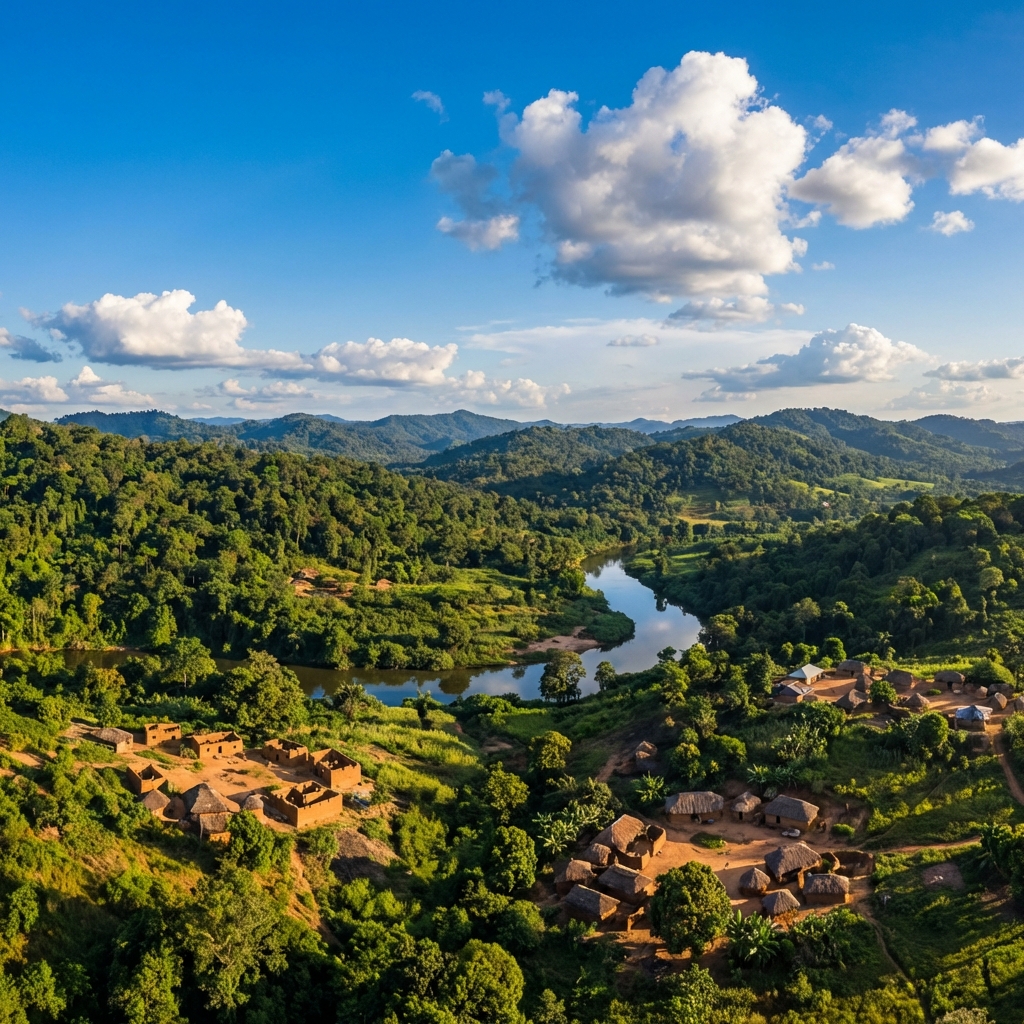
Dormaa Central sits inside one of Ghana’s most productive agricultural belts, prized for cocoa, plantain, cocoyam, cassava, maize, oil palm, timber shade trees, and vibrant poultry enterprise. Healthy soil combined with Nsuhia’s reliable rainfall and stream network is effectively an agricultural factory that runs without fuel bills for decades.
Compare the two paths side by side for a typical five-acre family holding:
| Economic Factor | Galamsey Lease Path | Nsuhia Protected Agroforestry & Eco Path |
|---|---|---|
| Year 1 Cash Flow | One-time cash payment to seller; zero agricultural produce; heavy equipment noise. | Mixed food-crop harvests (plantain, cassava, vegetables) plus seasonal cocoa income. |
| Years 2–5 Reality | Excavators gone; 15-foot pits filled with stagnant green water; surrounding cocoa trees dying from root disturbance and silt. | Maturing cocoa pods, shade trees, poultry-manure soil enrichment, rising output per acre. |
| Household Water Expense | Streams polluted; boreholes turn iron-heavy or suspect; families spend daily cash buying treated water. | Clean groundwater & natural stream irrigation maintained without emergency water bills. |
| Year 20 Asset Value | Zero food yield; unsellable cratered wasteland; children forced to migrate for menial city labor. | Thriving estate supporting university fees, diaspora retirement homes, and collateral-worthy title. |
2. Who Actually Captures the Gold Value?
Follow the money trail out of any illegal alluvial site in West Africa and you discover an uncomfortable truth rarely printed on broker handbills: the town sitting over the gold keeps pennies while distant syndicates bank millions. Excavators cost hundreds of thousands of dollars to import and fuel. Spare parts, diesel tankers, pumps, and armed protection take massive cuts. Smugglers and gold aggregators take the bullion out of the district immediately.
Meanwhile, the rural family whose grandmother cleared that cocoa farm receives a fraction of one percent of what leaves the ground—and absorbs 100 percent of the poisoned water, broken roads, mosquito breeding pits, and collapsed crop capacity for the next half-century. Adum Russia refuses to be anybody’s cheap dumping ground while outsiders drive away with the wealth.
3. The Hidden Tax of Poisoned Water (“Nsu”)
In financial modeling, economists call pollution an “externality” because miners do not pay for it on their balance sheet. Families in town, however, pay for it in cash every single morning. When streams named into Nsuhia’s very identity remain clean:
- Dry-season vegetable gardens along stream banks generate steady cash for women traders and households without pumping from deep aquifers.
- Livestock and poultry farms across Dormaa enjoy low-cost, healthy hydration without toxic mineral buildup.
- Nsuhia’s clinic and households spend dramatically less on skin rashes, typhoid, gastrointestinal infections, and chronic kidney and neurological burdens triggered by heavy-metal runoff.
Even if a landowner personally refuses to mine, allowing an upstream neighbor to wash ore poisons the entire downstream water table. Clean water is an indivisible commons—which is why Nsuhia defends every inch of every stream collectively.
4. The True Cost of Reclamation vs. Prevention
Landowners tempted by promises that “we will cover the holes afterward” should examine what authentic environmental restoration actually requires. Filling an excavation trench roughly with subsoil and clay does not recreate farmland. Living soil contains centuries of microbial life, earthworms, organic leaf humus, and balanced nutrient layers concentrated in the top twenty to thirty centimeters. Once an excavator flips that thin fertile horizon beneath rocks and sterile sand, plant roots struggle for generations.
Worse still, heavy metals introduced during illicit washing do not evaporate under tropical sunshine. Professional bioremediation, soil testing, drainage engineering, and multi-year cover cropping cost multiples of what any illegal operator ever paid for access. By keeping excavators completely off Nsuhia land in the first place, families save millions in future ecological losses.
5. Living Heritage Capital: Nsuhiaman Monkey Sanctuary & Eco-Tourism
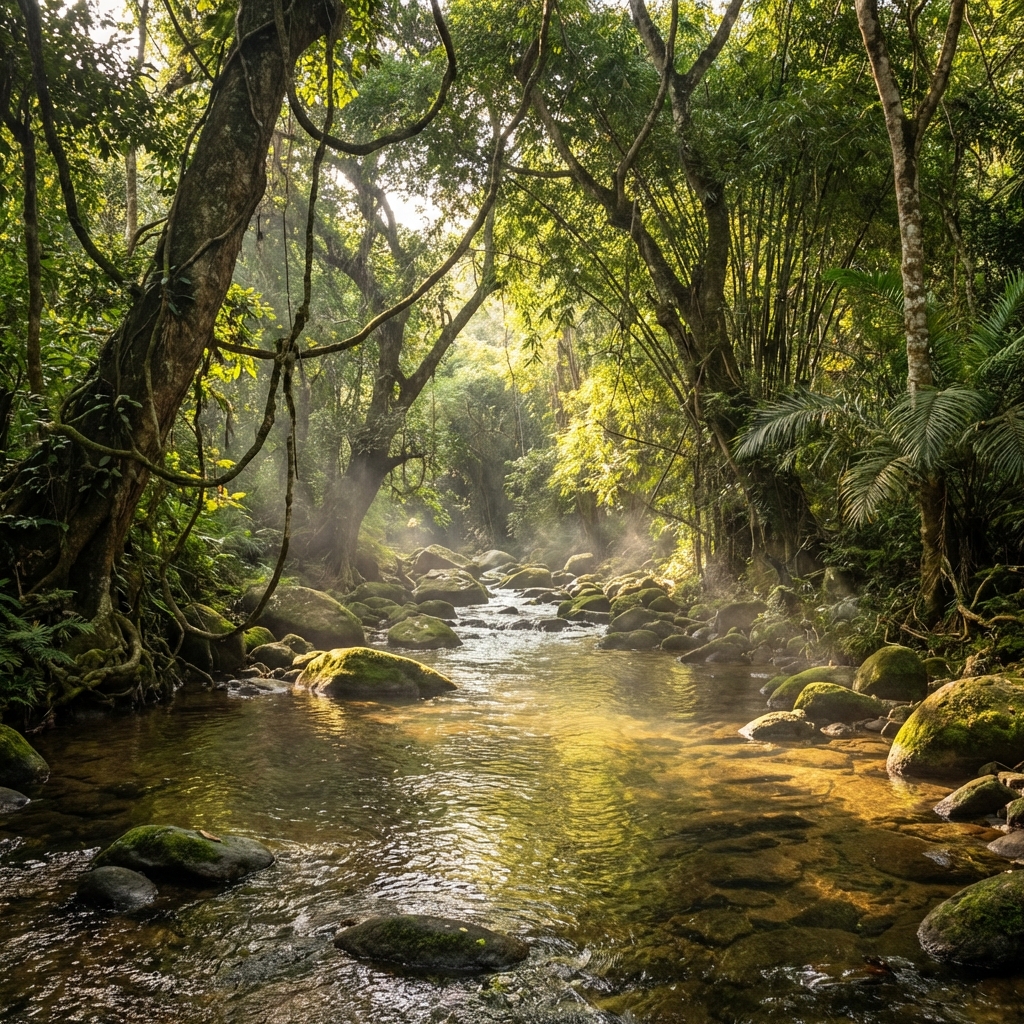
Few towns of Nsuhia’s size possess a natural jewel comparable to the Nsuhiaman Monkey Sanctuary. Protecting more than 500 acres of virgin rainforest inhabited by wild Mona and Colobus monkeys, the sanctuary demonstrates how conservation pays communities continuously:
- Permanent Local Employment: Entry fees (currently accessible at 10–20 GHS) go directly toward community ranger salaries and ongoing forest maintenance rather than vanishing into offshore accounts.
- Educational & Research Magnetism: Ghanaian schools, university botany/zoology groups, and international eco-travelers seeking authentic West African wildlife experiences visit Nsuhia precisely because the forest remains intact.
- Reputational Dividend: As global travelers increasingly filter destinations for ethical stewardship, Nsuhia’s digital stand at
nsuhia.comtransforms anti-galamsey courage into an international brand of trust. People want to visit, invest in, and partner with towns that protect their own soul.
6. Diaspora Capital & Value-Added Agriculture: The Better Blueprint
Consider what happens when diaspora professionals and local farmers collaborate around clean growth instead of speculative extraction. Dormaa Central already enjoys deep expertise in commercial poultry production, cocoa cultivation, and cross-border agricultural trade. Rather than watching cash leave town, Nsuhia families can multiply farm margins right at home:
- Cocoa Rehabilitation & Shade Agroforestry: Replacing aging trees with improved climate-resilient seedlings shaded by native forest species keeps soil moist and boosts pods per acre sustainably.
- Local Food Processing & Storage: Converting raw cassava into packaged gari/flour, drying plantain chips, and adding clean solar drying for peppers and maize captures retail value that normally goes to middlemen outside Dormaa.
- Poultry Feed & Water Security: Clean, uncontaminated groundwater and affordable local maize harvests make small and medium poultry enterprises far more profitable when streams remain free of mining runoff.
- Eco-Hospitality & Cultural Craft Hubs: Welcoming visitors traveling between Dormaa-Ahenkro, the Monkey Sanctuary, and sacred river trails creates steady service income for caterers, tour guides, and Kente artisans.
7. Agricultural Resilience, Land Valuation, and Collateral Dignity
Rural families often overlook one practical financial reality until a bank manager or credit cooperative sits across the table: intact productive farmland holds long-term equity value, whereas cratered mining ruins become unbankable liabilities. Across Ghana, agricultural lenders, cocoa cooperatives, and development programs evaluate farm plots based on tree maturity, clean irrigation access, feeder road connectivity, and secure customary title. A healthy five-acre cocoa and plantain holding in Nsuhia feeds a family every harvest while serving as a real intergenerational estate asset.
By contrast, drive through towns where topsoil was torn up five or ten years ago for short-lived gold rushes and examine what remains: rusted equipment frames, stagnant green depressions breeding malaria year-round, barren laterite ridges where not even cassava thrives reliably, and young adults boarding buses southward to sleep at urban lorry parks because their family farms no longer produce food or cash. Short-term cash bought motorbikes that broke down inside two years; meanwhile, the land that took ancestors centuries to clear and nurture lies crippled indefinitely.
8. Lessons From Across Ghana: Comparing Two Futures Side by Side
Travel outside the Bono Region into districts along the Pra, Ankobra, or Birim basins and speak honestly with elders who accepted quick excavation offers ten years ago. Almost without exception, their regret centers on two shocks they did not anticipate on signing day. First, clean water disappeared far beyond the small parcel leased—forcing entire towns to depend on costly mechanized treatment or packaged water even for basic bathing and cooking. Second, external sponsors departed immediately after exhausting rich pockets, leaving community clinics, schools, and farmers paying medical and food costs nobody compensated.
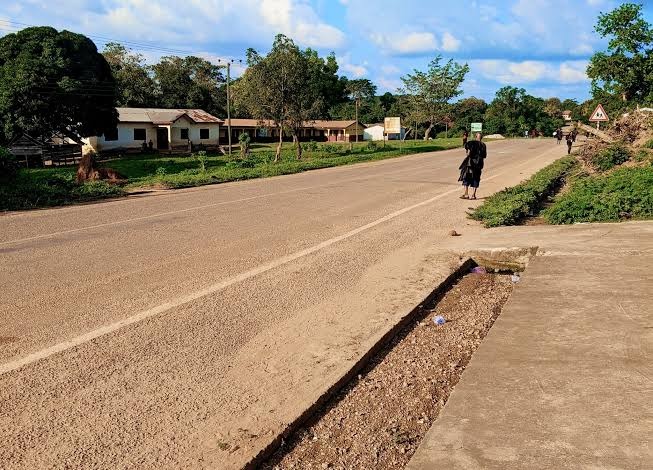
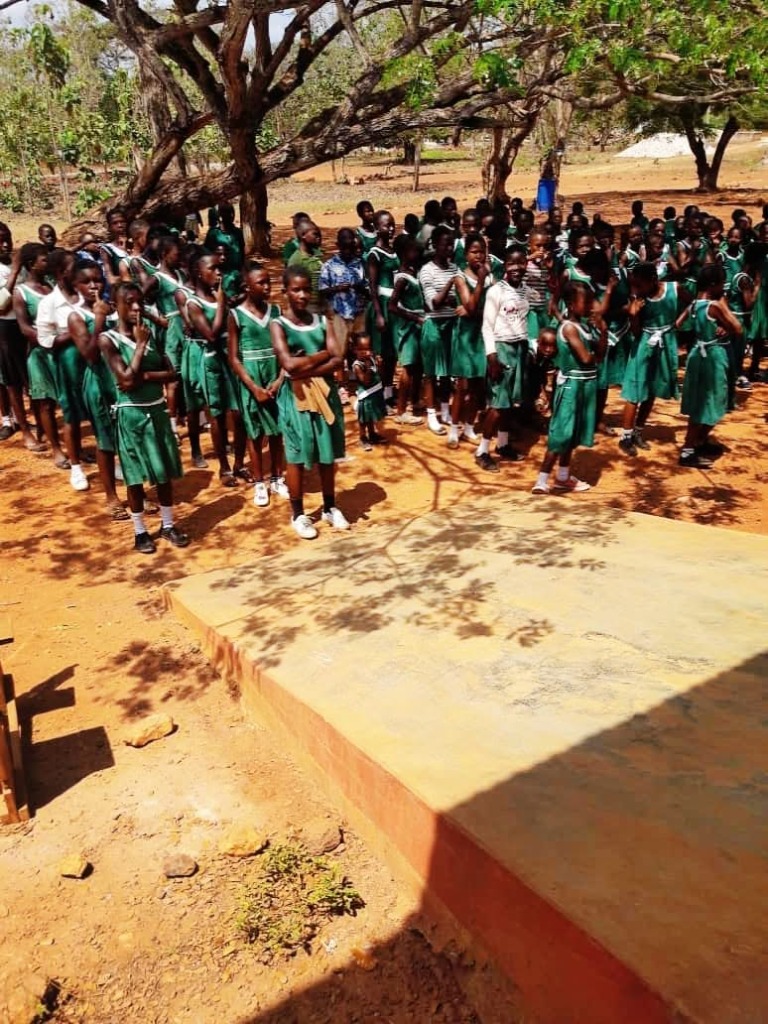
Nsuhia has the historic privilege of learning from those painful national warnings before losing a single stream or cocoa ridge. Looking back at our clean town roads, shaded school assemblies, and living sanctuary canopy proves what is still intact today in Dormaa Central. Holding onto that intact baseline is infinitely cheaper, wiser, and more dignified than begging the state for river-dredging rescue grants ten years too late.
9. Micro-Enterprise Multipliers Around Clean Farming
Notice how every intact acre in Nsuhia creates secondary jobs far beyond the individual farmer holding a cutlass. Clean harvests employ transporters hauling bags along the R54 road, market women trading plantain and spices across Dormaa Central, mechanics repairing farm tricycles, masons building modern compound homes out of steady seasonal savings, and tailors sewing crisp green school uniforms for students attending primary and JHS assemblies. Illegal mining shrinks that local multiplier into dusty camp kiosks selling transient booze and bottled water while eroding every real pillar of rural enterprise.
Furthermore, clean Bono Region agriculture positions Nsuhia farmers favorably for traceable export certifications and ethical cocoa buyers who increasingly reject beans sourced anywhere near deforested reserves or mercury-polluted basins. Maintaining a verified zero-galamsey reputation across nsuhia.com directly safeguards market access and future price premiums for honest Dormaa producers. When European and global chocolate manufacturers audit supply-chain provenance across West Africa, intact forest-buffer towns with spotless water stewardship stand at the front of premium sourcing lists, while mining-scarred districts struggle with land litigation and declining bean quality.
Just as importantly, keeping family lands free of mining disputes prevents bitter generational court battles that drain household savings in Sunyani or Dormaa-Ahenkro for years. Clean title and peaceful borders let brothers, sisters, and diaspora relatives co-invest confidently in shared agricultural infrastructure—solar drying decks, mechanized threshers, cold storage rooms, and transport tricycles—knowing the land itself will remain intact and productive long after every partner’s grandchildren reach adulthood.
10. Climate Resilience, Shade Cover, and Dormaa’s Rainy-Season Shield
One hidden economic dividend of keeping Nsuhia free from surface excavation shows up most clearly as West African weather patterns grow less predictable. Intact cocoa canopies, deep tree roots around the Nsuhiaman Monkey Sanctuary, and undisturbed herbaceous grass verges along roads act like a giant natural sponge during intense Bono Region cloudbursts. Rainwater infiltrates gradually into underground aquifers, recharging household boreholes and keeping local streams flowing cleanly well into the dry harmattan months rather than rushing downstream in violent flash floods.
Where illegal miners strip away forest cover and compact soils with heavy machinery, rain cannot penetrate into the earth. Instead, torrential water races straight across bare red clay, washing away access culverts, flooding nearby kitchens and classrooms, and triggering costly seasonal infrastructure repairs while streams run bone-dry two months later. Protecting forest trees and unbroken soil across Nsuhia is therefore practical flood insurance and drought insurance rolled into one zero-cost ecological shield.
11. Measuring Wealth by What Your Grandchildren Inherit
In Akan ethical philosophy, no generation owns land outright as disposable cash; every generation holds stewardship for ancestors behind and descendants ahead. When an external mining broker calculates value on a thirty-day horizon, he asks only how many grams of gold dust can be washed before enforcement arrives. When a Nsuhia farmer, mother, teacher, or elder calculates value on a fifty-year horizon, the ledger looks completely different: clean water flowing through sacred streams, cool green canopy shielding wild Mona and Colobus monkeys, thriving classrooms filled with disciplined children, and fertile black loam capable of feeding households through every economic storm.
12. A Five-Point Family Land Stewardship Covenant
To translate long-term economic wisdom into daily household protection, every extended family holding stool or ancestral farmland around Nsuhia can adopt five simple governance rules at family meetings:
- Dual-Signature Family Consent: No individual caretaker or single lineage member may sign any commercial lease, mineral test, or earthmoving access agreement without written consent from principal family heads and diaspora representatives.
- Mandatory 14-Day Cooling-Off Period: Any outside proposal promising urgent cash must wait fourteen full days for open review with family elders, Nananom, and Nsuhiaman Development Association peers.
- Agricultural Reinvestment Target: Direct a small portion of every major harvest and diaspora remittance into improved cocoa seedlings, clean storage crates, and drought-resilient tree crops that raise annual household income visibly.
- Stream-Buffer Respect: Maintain healthy vegetated strips along every seasonal stream crossing family plots so erosion stays minimal and water quality stays clear all year.
- Youth Equity Participation: Assign younger educated family members clear roles in farm record-keeping, cooperative marketing, and digital promotion so youth view inherited land as modern enterprise rather than dead weight.
13. Why Saying No Makes Nsuhia Richer Over Every Decade
Saying no to galamsey is never saying no to wealth or youth ambition. It is choosing compound prosperity over extraction ruin. In every cycle of Ghana’s history, mineral rushes come and go like sudden thunderstorms, washing topsoil away and leaving silence behind. Clean agricultural towns with educated youth, reliable roads, protected forests, and unpoisoned rivers endure through every market season. Because Nsuhia is Adum Russia, our community locks its wealth above the ground—growing stronger with every harvest, every visiting eco-tourist, and every graduating class.